
The Real Cost of a Coffeehouse Concert: What It Really Takes to Host Live Music
by Silvia Passiflora, Editor | Scriptaluna
April 9, 2026
Live music has quietly become more complex to host than most people realize.
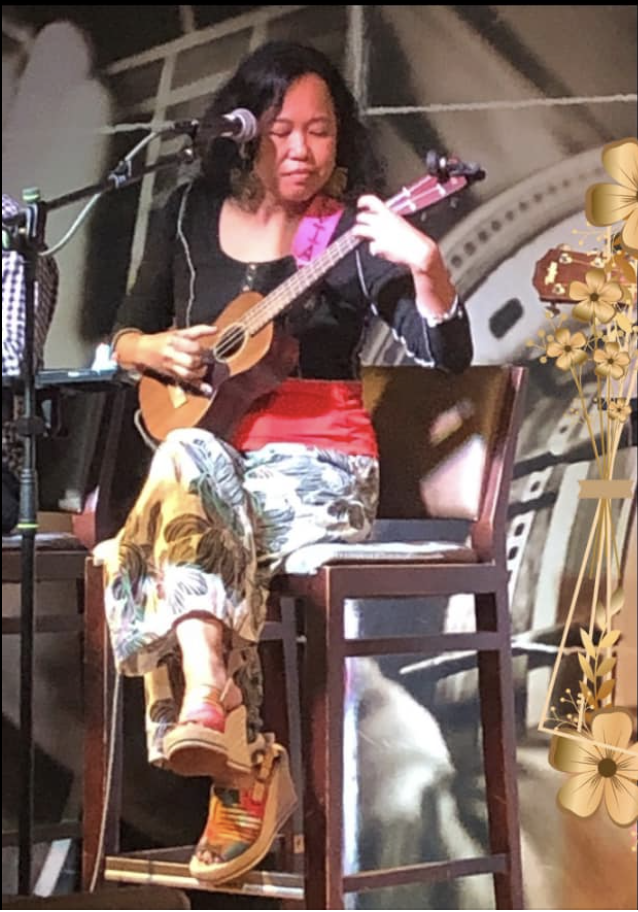
Some venues encounter low-cost monthly licensing options and assume they’re fully covered. Those services typically apply to background music. Live performance operates under a broader licensing structure, though payment plans and group discounts can make it more manageable.
Hosting live music—whether originals or covers—typically requires blanket licenses across multiple performing rights organizations.
As of 2026, a small venue’s total annual licensing can range from roughly $1,100 to $1,400, with some qualifying for reduced rates closer to $900 depending on size, usage, and affiliation. Spread across the year, that often comes out to about $115 per month, or just a few dollars per day.
The number is higher than many assume.
The friction isn’t the daily cost. It’s the structure. But the path forward is still there.
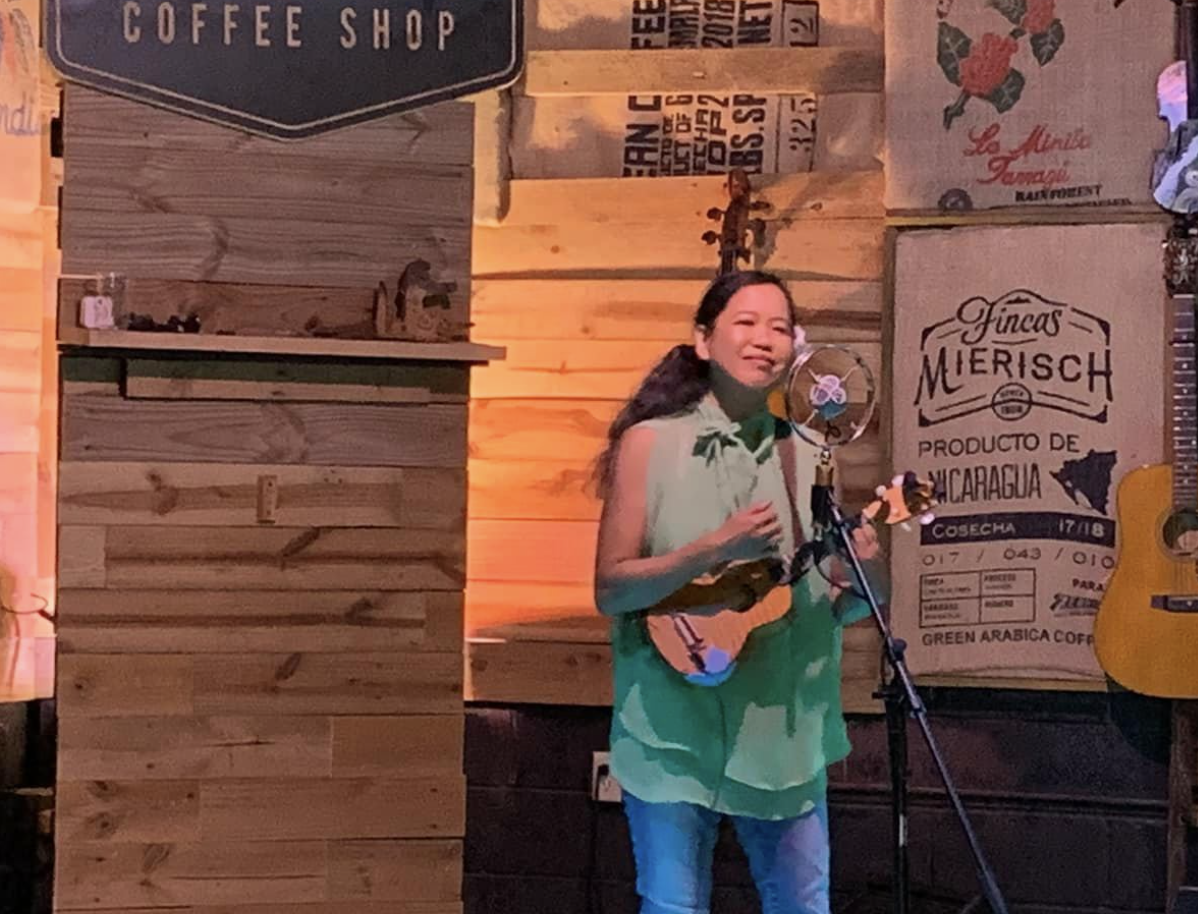
Most PROs—ASCAP, BMI, SESAC, and Global Music Rights—bill annually, often in January. Writing a four-figure check upfront is what stops many small shops from hosting music at all—but there are workable paths. Trade groups like the National Restaurant Association can unlock payment plans and discounts, bringing the cost closer to ~$85 per month. Some venues pass it through gently, adding a $1 live music surcharge during performances. A handful of transactions can cover the entire daily licensing cost. The venue pays once so they don’t have to track every song or every affiliation in real time. That burden disappears the moment the license is in place.
That system doesn’t stop at the venue. It only works as intended when the people performing in those rooms participate as well. This is both sides of the same pipeline—how money moves, and where breakdowns happen.
At its core, a blanket license is audit insurance.

If musicians don’t file their setlist through tools like ASCAP OnStage or BMI Live, the share doesn’t vanish—it gets absorbed into the distribution pool and trends toward top-charting acts.
Live performances aren’t passively tracked by some magic microphone at the venue. What gets paid is what gets reported by the musician, and that report has to reflect what was actually played.
When a venue isn’t properly licensed, the risk doesn’t stay with the venue. It extends to the people on stage—and it can close the door on performance royalties those performances should have earned.
Each PRO has its own reporting window. Some deadlines arrive in as little as a few months, depending on the quarter or platform. Once that window closes, the money settles into the system and stays there.
File while the coffee is still hot. ☕
To read more content like this, visit Editor's Letters